
Bono de recepcion para cero millas usuarios dentro del realizar el primer deposito
April 19, 2026Casino welkomstbonus Iedereen welkomstbonussen ervoor de casino
April 19, 2026The hidden forces of psychology in gambling behavior
The Allure of Gambling: Understanding Initial Attraction
The initial attraction to gambling often stems from a mix of excitement and the promise of potential rewards. Many individuals find themselves drawn to the thrill of taking risks, as the brain releases dopamine, a neurotransmitter associated with pleasure and reward. This chemical reaction creates a euphoric feeling that can lead to a repetitive cycle of behavior. As people explore their options, they may turn to platforms that allow them to see details about various gambling opportunities, often unaware that this initial high can mask the underlying psychological complexities at play, making them susceptible to developing a gambling habit.
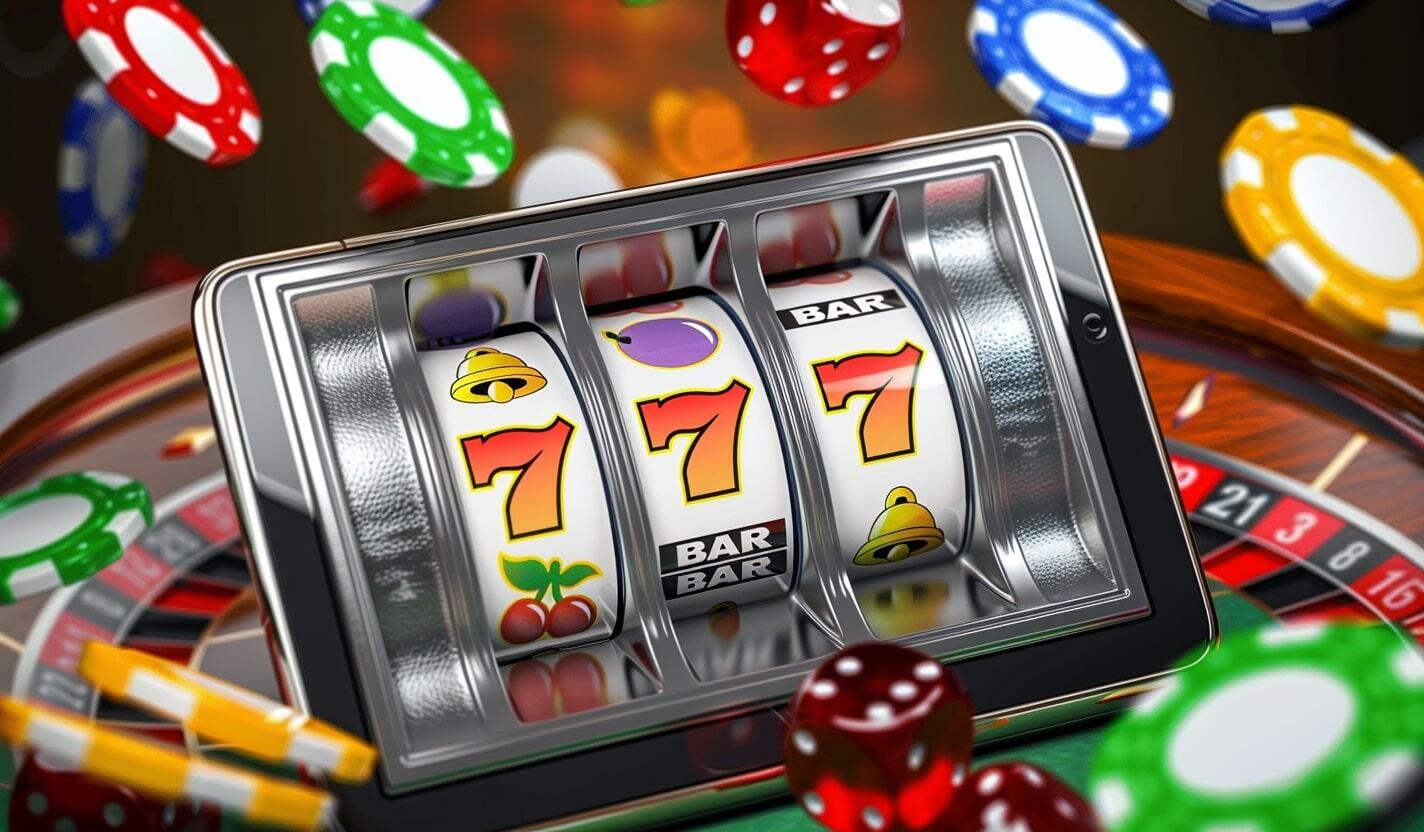
Cultural influences also play a significant role in shaping attitudes toward gambling. In various societies, gambling is often romanticized through media portrayals or celebrity endorsements. Famous figures, especially those who successfully gamble large sums, create a perception that winning is not just possible but likely. This glamorization can lead individuals to underestimate the risks involved, compounding their desire to engage in gambling activities without fully understanding the psychological mechanisms at work.
Moreover, the social dynamics surrounding gambling cannot be overlooked. Many people are introduced to gambling through friends or family, turning it into a social event. This social acceptance reinforces the idea that gambling is a normal, enjoyable activity. The combination of excitement, cultural narratives, and social reinforcement makes gambling particularly enticing, drawing individuals into its psychological labyrinth without adequate caution.
Addiction and Compulsion: The Dark Side of Gambling
The transition from casual gambling to addiction can happen swiftly, often facilitated by the very same psychological rewards that initially attracted individuals. Compulsive gamblers frequently chase losses, believing that winning is just around the corner. This behavior is fueled by the illusion of control—individuals convince themselves that they can influence the outcome, leading them to invest even more time and money in gambling pursuits. This cognitive distortion can severely impact their decision-making processes and overall judgment.
Behavioral addiction theories provide insight into why some individuals develop compulsive gambling habits. As individuals engage in gambling, their brains start to associate gambling with reward, creating a feedback loop that becomes increasingly hard to break. Some studies suggest that the neurological pathways activated during gambling can be similar to those seen in substance abuse. This similarity highlights the risks of treating gambling lightly, as it can lead to serious psychological consequences and financial instability.
Furthermore, the social stigma surrounding gambling addiction often prevents individuals from seeking help. Many gamblers fear judgment or ridicule, leading them to remain silent about their struggles. This isolation can exacerbate feelings of shame and guilt, making it even more challenging to break free from the cycle of compulsive behavior. Support systems and proper interventions are critical for those caught in the grasp of gambling addiction, but acknowledging the problem is the first essential step.
The Role of Cognitive Biases in Gambling Decisions
Cognitive biases significantly shape gambling behavior and decision-making processes. One prevalent bias is the gambler’s fallacy, where individuals believe that past events influence future outcomes in games of chance. For example, a player may think that after a series of losses, a win is “due,” leading them to gamble more than they typically would. This flawed reasoning can create a false sense of security and encourage further gambling activity, even in the face of overwhelming evidence to the contrary.
Another common cognitive bias is the illusion of control, where gamblers mistakenly believe they can affect the outcome of games through skill or strategy. This belief is particularly pronounced in games like poker, where players may overestimate their ability to read opponents and make winning decisions. The illusion of control can lead to increased gambling frequency, as individuals often feel empowered by their perceived skills, disregarding the inherent randomness of gambling outcomes.
Lastly, confirmation bias exacerbates these tendencies. Gamblers tend to remember their wins more vividly than their losses, reinforcing the idea that they are successful and can continue gambling without adverse consequences. This selective memory results in a skewed perception of reality, making it easier for individuals to justify their gambling behavior. Recognizing and addressing these cognitive biases is essential for both gamblers and those who seek to support them, as it can lead to more informed and responsible gambling practices.
The Influence of Environment on Gambling Behavior
The environment in which individuals gamble significantly impacts their behavior and choices. Factors such as location, ambiance, and social dynamics can all influence gambling decisions. Casinos are designed to evoke feelings of excitement and euphoria, often employing bright lights, captivating sounds, and free drinks to keep patrons engaged. This carefully curated atmosphere can lead individuals to lose track of time and money, as they become enveloped in the overall experience.
Online gambling platforms have also transformed the gambling landscape, making it easier for individuals to gamble from the comfort of their homes. While this convenience can enhance accessibility, it can also lead to increased risk. Without the physical environment of a casino, individuals may feel less accountable, allowing gambling behaviors to escalate more quickly. The anonymity of online gambling creates additional challenges, as it becomes easier to overlook personal limits and financial boundaries.
Moreover, external social pressures can heavily influence gambling behaviors. Individuals may find themselves in environments where gambling is normalized or encouraged, such as sports events or social gatherings. These scenarios can lead to increased participation, even among those who might not typically engage in gambling. Understanding the role of the environment is crucial for addressing gambling behavior and developing strategies to promote responsible gambling.

Resources and Support for Responsible Gambling
Recognizing the psychological forces at play in gambling behavior underscores the importance of providing resources and support for responsible gambling. Awareness campaigns aim to educate individuals about the risks associated with gambling and promote healthy behaviors. By fostering a culture of responsibility, individuals can become more informed about their gambling habits, making conscious choices rather than succumbing to impulsive decisions.
Many online platforms prioritize player safety by implementing features that encourage responsible gambling practices. These include options for setting deposit limits, time-outs, and self-exclusion. By incorporating these tools, players can better manage their gambling activities and mitigate the risk of developing problematic behaviors. Educational resources also play a vital role in helping individuals recognize signs of gambling addiction and seek assistance when needed.
Furthermore, support organizations offer valuable guidance and counseling for those struggling with gambling addiction. Professional help can provide coping strategies and recovery plans, equipping individuals with the tools to reclaim control over their gambling behavior. Engaging in community support networks can foster a sense of understanding and shared experience, reinforcing the idea that recovery is possible. Emphasizing the importance of psychological awareness and support is vital for cultivating a healthier gambling environment for everyone.
